

 CrazyLeaf Editorial
All brands have a terrific story to tell. This story is one of struggle, achievement, highs and lows and human endeavor. There is no better way to tell this story than through a website. Unfortunately, not many businesses choose to use their websites as a means to tell their story; and by doing so, they are losing a huge opportunity to make an impression on their target audience.
Everybody loves a good story, and in a world where most websites fail, this is a very good reason why your website should tell your brand story.
Why is Storytelling Underrated?
One reason why is that web designers and businesses are so consumed with the latest web design trends (flat design, large hero areas, long scroll, etc.) that they forget that a website’s success is dependent on its engagement quotient.
Make no mistake, your website must follow current trends, but this shouldn’t interfere with its primary goal – user engagement. There is a difference between attracting visitors, and engaging them. As web users are extremely choosy and impatient, they won’t hesitate skipping your site if they are bored. Storytelling ensures your site becomes interesting.
So, the question is – How do you tell your story?
Let’s take a look:
Choose a Narrative
The first thing is to choose a narrative. What do you want to talk about? When you finally, you will realize that there will be too many stories to tell.
So, you need to zero in on a narrative that can actually help you make the ideal impression on your target customers.
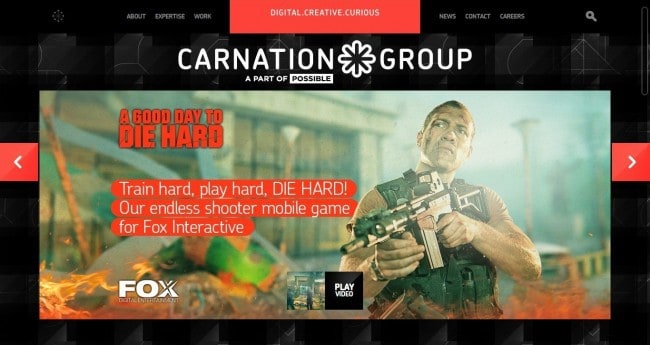
The Carnation Group is a creative agency that makes excellent use of technology to tell visitors about who they are, what they do, and most importantly, their work. It sticks to a tried and tested storytelling technique that gives visitors an overview of the ‘brand’. Your visitors typically want to know what your business does and has done, rather than where it’s coming from (story of its origins). Give them that and they will be more than happy.
Imagery is Important
Rather than text, use visuals to tell a story. If you set the narrative with the help of images, your website will be better placed to make an impression on its visitors.
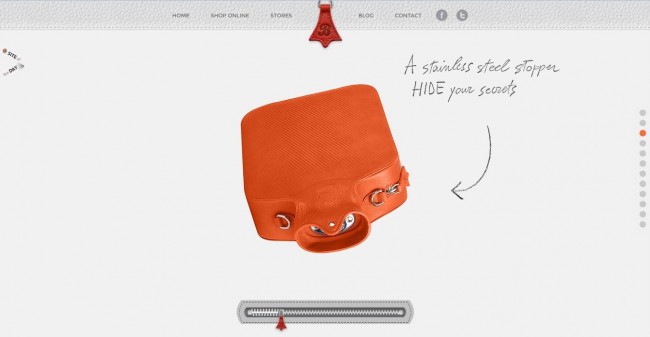
Bagigia takes a different storytelling route. It takes visitors through the unique features of its products (the bag) to tell a story. At the end, a section about how the founder (also the designer) came upon ‘the idea’ for this superlative bag.
The reason why this story works is because it uses beautiful visuals to make its point. Combined with the technology of parallax scrolling, and animation, this site no doubt makes an impact on website visitors.
Focus on the Target Audience
What does your target audience want from your site? What is the story they are looking for? These are the questions you must answer. Remember that you are visually narrating your story to keep them interested, it doesn’t matter whether you find it interesting or not.
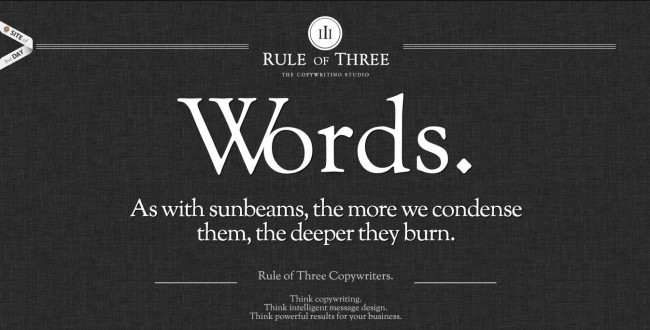
Both the websites above are awesome examples of audience-centric storytelling. They ‘ve managed to hone in on a great story that keeps the target audience engaged.
Both websites are giving what the audience wants. As creative solution providers, they take out any doubt in the visitor’s mind and reaffirms that they are the right people for the job! This is what storytelling is.
Don’t Go Overboard
There are plenty of sites out there that use storytelling, but they come across as visual set pieces that have been put together solely for the purpose of making a visual impact rather than a valid point.
You need to avoid falling into this trap. Remember, you are telling the story of your brand and there is a purpose to your storytelling.
You want to convince customers to do business with you. Every aspect of your storytelling should bring home the point that your business can deliver. If you can’t make this point, your storytelling will fail.
It’s all About Connecting with Visitors
The best part about using storytelling in web design is that even businesses in a “boring niche” can come up with extremely interactive websites. Be creative and think about your audience and what they want. Remember, great storytelling doesn’t need to be expensive, it just needs to connect people.
Author Bio:
Michael Georgiou is a dynamic business professional and entrepreneurial guru associated with Imaginovation – a Raleigh Web Design Company proven his success in creative strategy, online branding, project management, and communication projects in both the public and private sectors.


Loading…