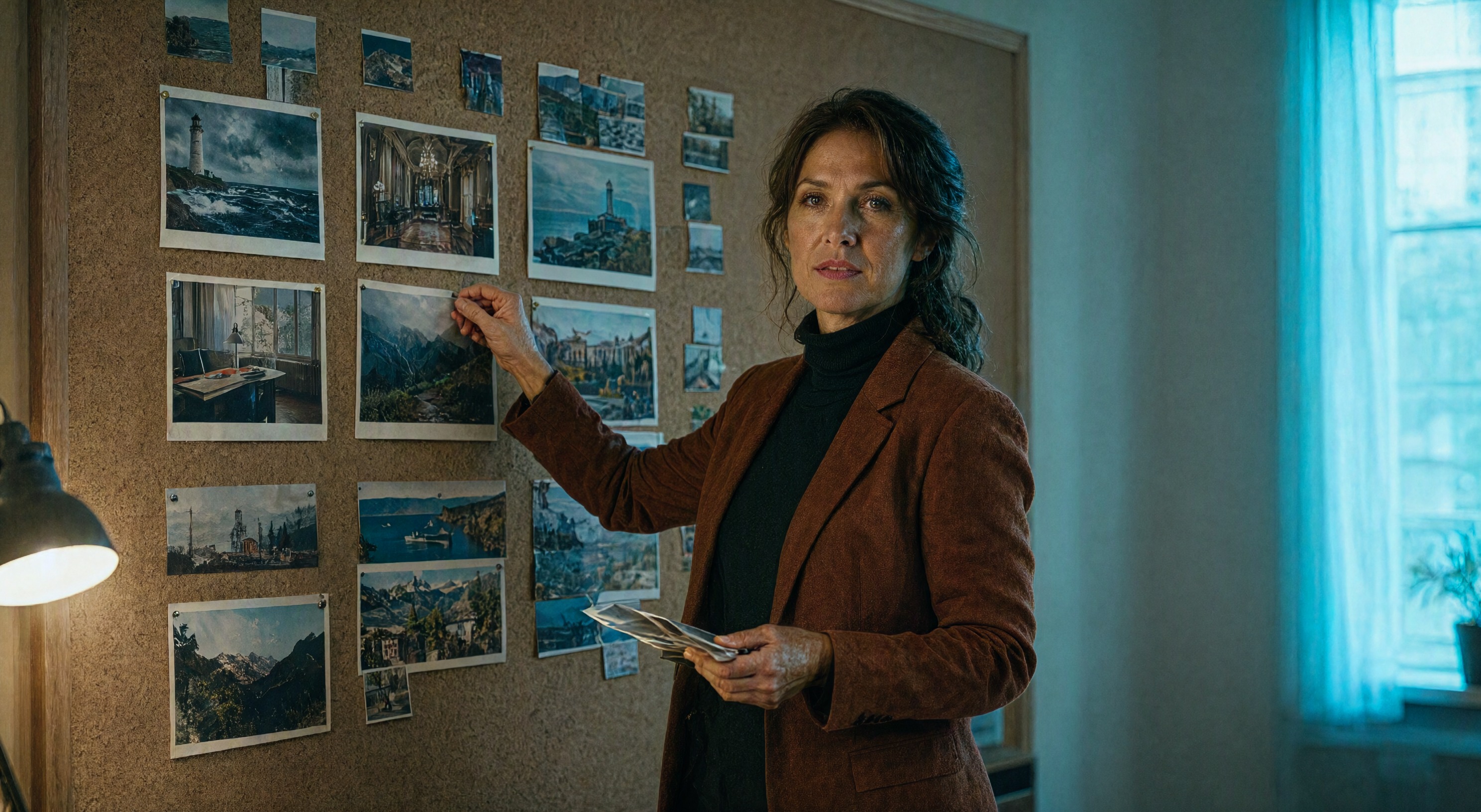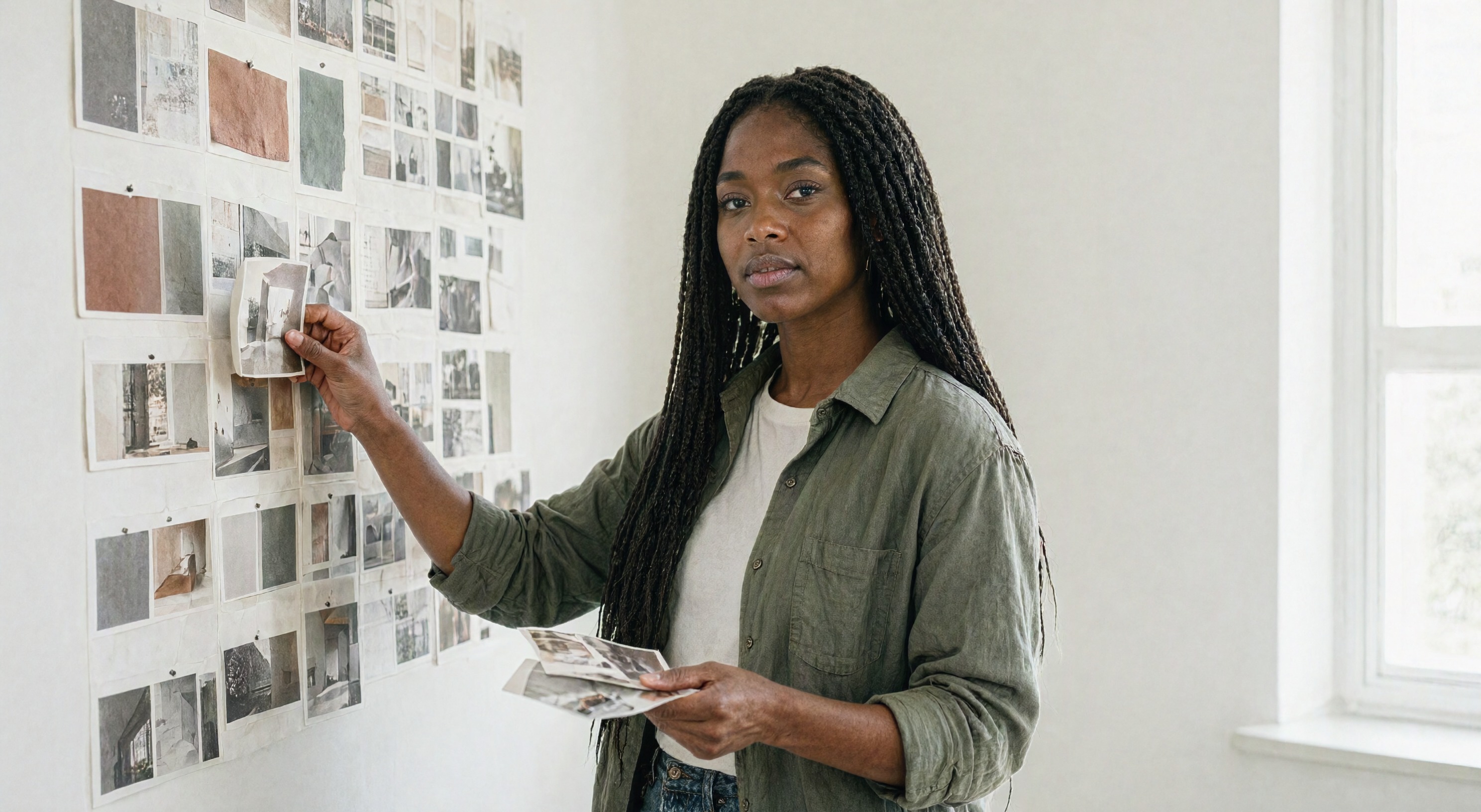
This month a workspace called Virse launched a node-based canvas that connects brand and packaging workflows to more than fifty AI models, with moodboards, reference assets, and team collaboration living on the same board as the generation steps. In the same week, model makers demonstrated image generators that accept a moodboard, a product photo, or a character sheet as direct input. The moodboard has spent fifty years as the place inspiration goes to be admired. It just got a second job: it feeds the machine.
What a moodboard used to be
The classic board was a translation problem dressed as decoration. You collected fifty images that gestured at a feeling, pinned them to a wall or a board, and then a human translated the pile into a brief: warm light from the left, matte textures, mustard and charcoal. The translation was the actual work. Once the brief existed, the board got archived and nobody opened it again until the project went sideways.
The new generation of tools removes the translation step. The board itself plugs into the model as an input, the way a reference photo already plugs into an image edit. Curation stops being prep work and becomes a parameter, same as the seed or the sampler.
We already run a compressed moodboard
Our nightly pipeline never had a board, but it has the same parts squeezed into prompt slots. A named person with a fixed wardrobe is the character reference. A named palette is the color page. A fixed lighting direction is the light reference. The fixed seed plus one varied slot is the family shot. We compress a moodboard into five sentences per image because text was the only input the model took.
Models that accept boards end that compression. You stop describing fifty images in one sentence. You show the fifty images and write one sentence about what changed. Character consistency across a campaign, the problem that pushes teams toward custom LoRAs, becomes a folder of references instead of a training run.
Curation owns more, not less
The trap hides in the word "moodboard." If the board feeds the model directly, whatever you pin gets amplified. Pin the twelve stock templates that every generator defaults to and you get fifty variants of visual elevator music, faster. The board was always a filter; now it is a filter with leverage. Our convergence piece made the point that generation loops amplify whatever aesthetic you feed them, and a direct moodboard input is the strongest feed yet.
So the craft move stays the same as it has been all along: choose the references against the default, not with it. Pin the odd image, the off-palette photograph, the scene no stock library would shoot. The moodboard tool roundups now list boards that generate as you browse, and the convenience is real, but convenience pulls toward the mean unless you curate against it.
One warning from our own pipeline applies to any board-to-model workflow: print and editorial output still needs the checks a board cannot run, resolution math and live type among them. The moodboard carries intent. The checklist carries quality. Neither replaces the other.
Hang the board where the model can see it. Then curate like the mean is watching, because it is.
Sources
The reported facts in this post come from these outlets:
- Your Valley reported the Virse launch this month: brand and packaging workflows connected to fifty-plus AI models on one node-based creative canvas.
- UX Design Coach published the November briefing on what to try after the 2026 tool announcements, including Figma workflow changes and Google Stitch.
- Storyflow rounded up the AI moodboard generators of 2026, including boards that generate alongside your browsing.
- Uprising Agency shared a working studio stack: AI for brand rules, early visual exploration, and production.