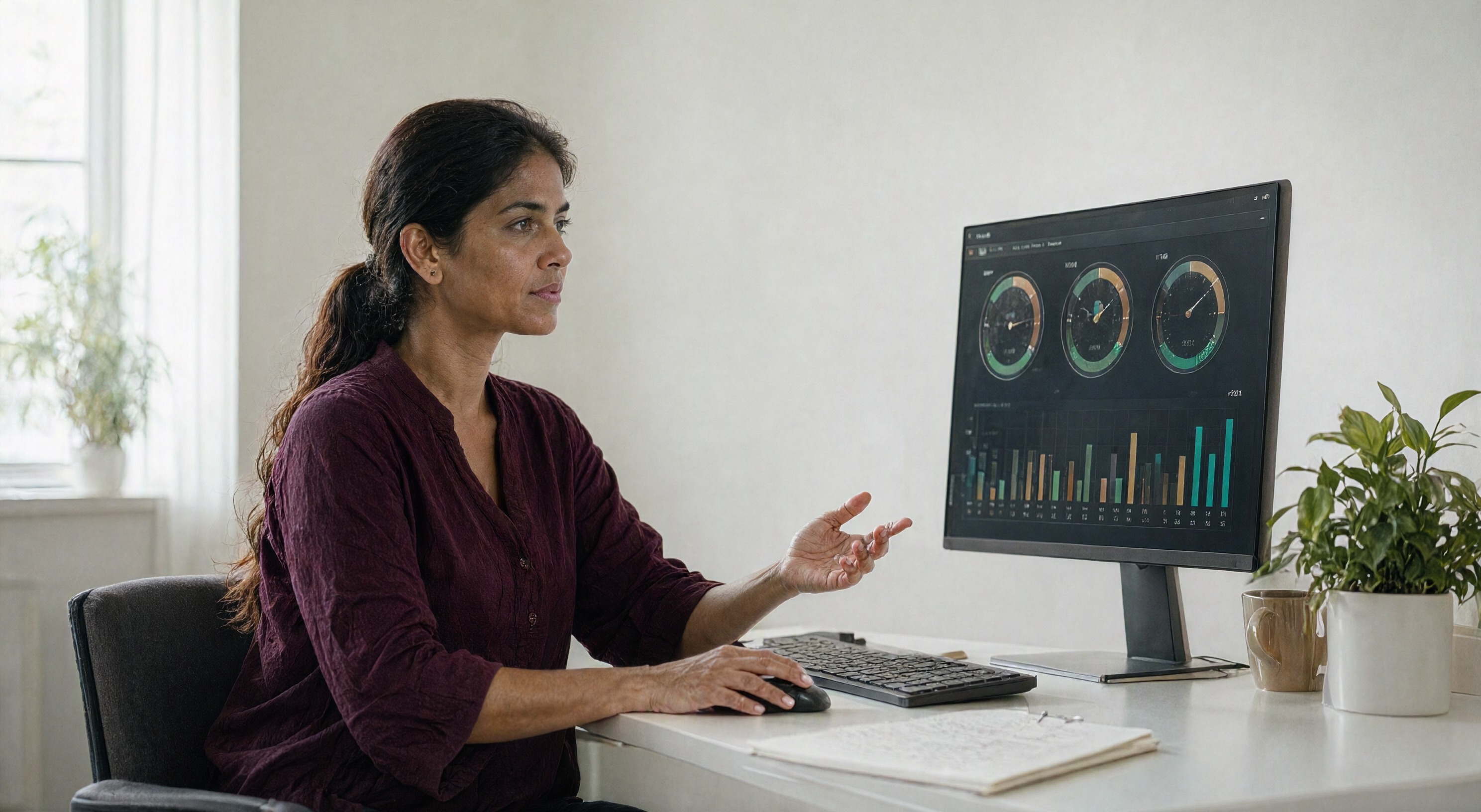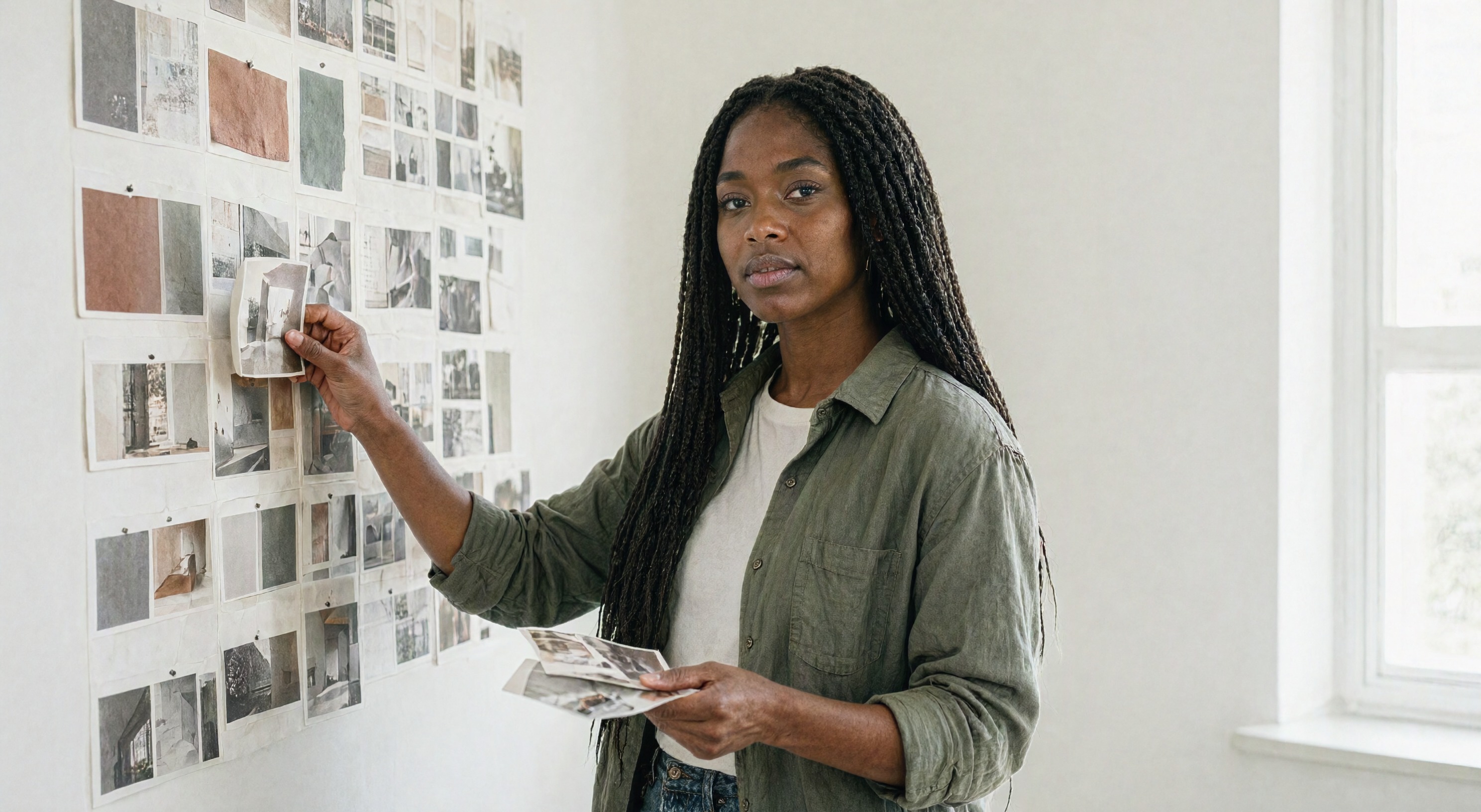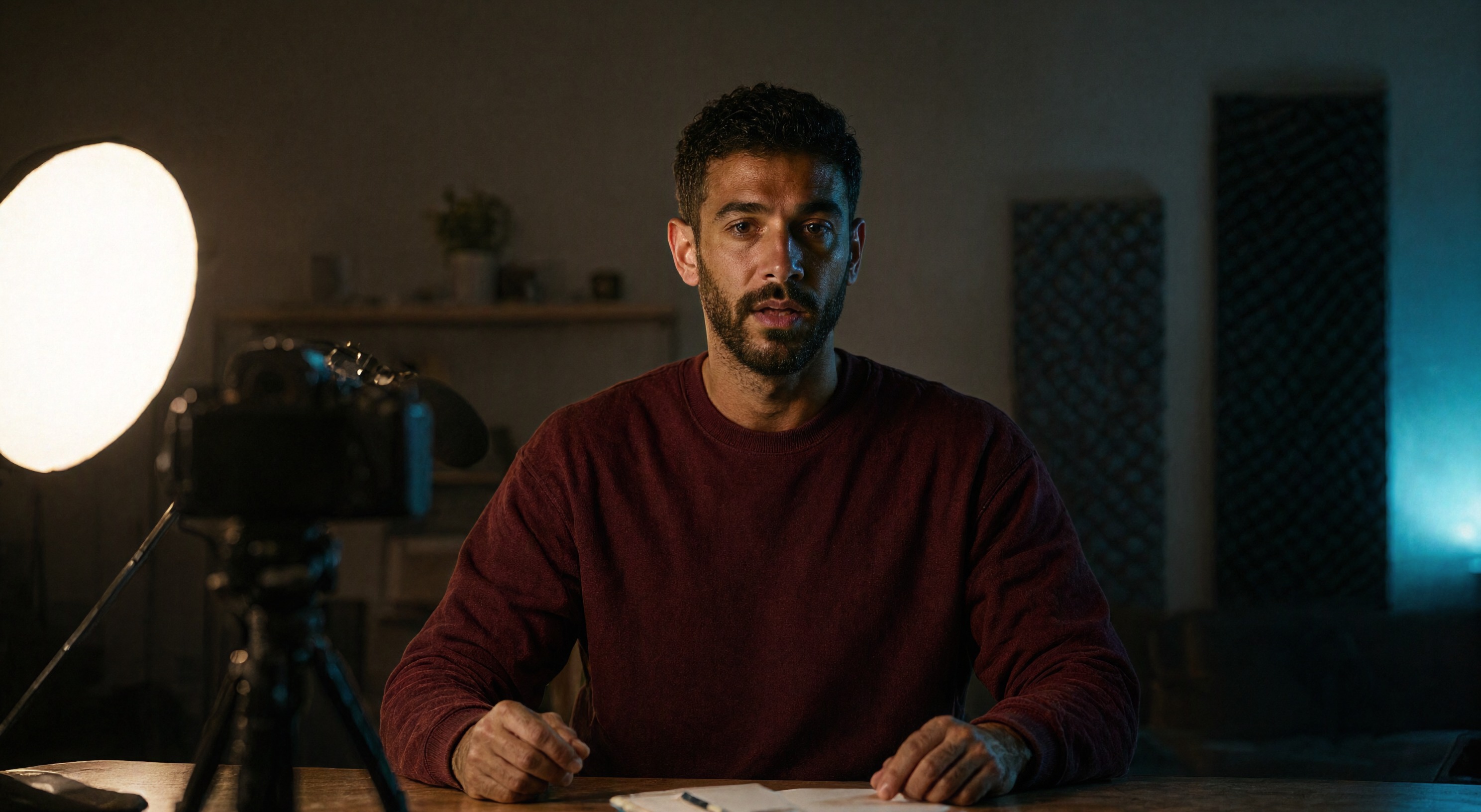
We generate thumbnails every night for two blogs, and this month we read Gyre's 2026 update on the AI-thumbnail debate to see how a YouTube channel's rules compare. The policy findings surprised us less than the gap between them and creator folklore. YouTube asks for almost nothing. The feed asks for everything.
What YouTube actually requires
Almost nothing, for this use case. YouTube's Help Center groups thumbnail generation under "production assistance," alongside AI-assisted scripts and titles, and that category carries no disclosure requirement. The disclosure rule exists for realistic synthetic media that could mislead: a fabricated scene, a real person appearing to say something they never said. A stylized thumbnail of a person at a desk is not that.
There is also no confirmed algorithmic penalty. Click-through rate still comes from the same factors as before: one clear focal point, contrast against YouTube's white interface, legibility at small sizes, and a legible expression when a face is in frame. The tool that made the image changes none of those factors.
Two rules do have teeth, and creators should know where they bite. Since May 2026, YouTube runs automated signals against undisclosed photorealistic AI content, and it moved the disclosure label to a more prominent spot, below the player on long-form videos and as an overlay on Shorts. A correctly applied label does not reduce reach on its own. The other rule targets mass-produced, near-duplicate "inauthentic content": templated videos at scale with little original input. One AI-assisted thumbnail on an otherwise original video stays well outside that line.
The number nobody verified
Thumbnail tool vendors publish claims of 30 to 45 percent CTR lifts from switching to AI-generated images. Gyre checked the sourcing on those figures and found what we would have guessed: self-reported case studies from the vendors themselves, no independent comparison, no peer review. Treat them as marketing, not benchmarks.
The honest measurement already exists. YouTube Studio ships a built-in A/B test for titles and thumbnails. Upload three candidates, let the tool split the traffic, and keep the prompt family behind the winner. Our blog cards cannot do this; a channel can. So test on your own audience instead of quoting someone else's aggregate claim.
What our nightly pipeline learned
We have generated hundreds of thumbnails across two blogs since September, and four rules transferred straight to YouTube work.
Rotate the cast. Our blog grid shipped five consecutive thumbnails with the same woman before anyone caught it, and we wrote the rotation into our pipeline afterward. On a blog the failure looks lazy. On YouTube it looks like someone else's video: a subscriber scanning Home should recognize the channel before they process the title, and a recognizable style only survives if the faces and settings inside it change.
Reserve contrast for the title. Every prompt we send ends its composition with dark, quiet space where the headline lands. YouTube's interface is white, most views happen on phones, and a thumbnail that reads well at full screen dies at 320 pixels. Plan the contrast into the image instead of fixing it in the editor.
Keep text out of the generation. Blogs overlay titles in HTML. Channels add three to five words in an editor after the fact. Either way, generated type is the wrong layer: it cannot be translated, retyped, or fixed when a letter comes out wrong. Models that specialize in text, Ideogram at the front of that pack, changed what is possible for channels that want baked-in type, and the failure mode still exists everywhere else.
One action per figure. The month we combined pointing with holding in a single prompt, the model produced extra limbs. The sameness prompt that Gyre documents, the shocked face with the red arrow and the yellow text, is the same trap at platform scale: it renders fine and blends in everywhere.
The test you already have
Gyre's closing advice matches what our pipeline converged on from the other direction. Use AI for drafts and backgrounds. Keep the concept, the composition, and the final call human. Then measure on your own channel with the A/B tool instead of adopting a stranger's CTR claim.
Disclosure will not slow a channel down. Sameness will. Generate the drafts, rotate the faces, reserve the contrast, and let the split test decide which thumbnail family earns the spot.
Sources
The policy and CTR facts in this post come from these sources:
- Gyre published the 2026 update this post responds to: YouTube's production-assistance category, the May 2026 label changes, the inauthentic-content policy, and the unverified vendor CTR claims.
- Everypixel Journal covered the fall 2026 image and video model landscape that today's thumbnail tools sit on.
The pipeline observations are ours: nightly thumbnail generation across two blogs since September 2026, including the persona-rotation failure Ben caught and the fix described above.