2019 is a useful line, not because a switch flipped on New Year's Day, but because the tools on either side of it ask for different people. Before that line, multimedia was something you constructed. In 2026 it is something you direct, then repair.
What the work was
A picture, a cut, a title sequence, a short film: each one started from material you had captured or drawn. The camera, the scanner, the 3D scene, the timeline. Photoshop, After Effects, Premiere, a DAW, a type tool. If you did not have the shot, you went and got it, or you paid someone who had it, or you built it frame by frame. Time was the budget. A ten-second move could be an afternoon. A character who had to match from shot to shot was a filing problem: reference stills, color notes, a folder with a name.
Skill sat in the hands. You learned the tool until the tool disappeared, and what was left was timing, taste, and whether the thing held together when you played it back. Collaboration was a chain of specialists. A writer handed pages to a designer, a designer handed frames to an editor, an editor handed a cut to someone who did sound. Each handoff was slow, and that slowness was also a check. Bad ideas died because they were expensive to finish.
Machine learning was already in the building. Style transfer, early face swaps, recommendation engines, auto-captioning. It sat beside the work. It did not propose the work. You still made the frame.
What arrived in between
The public change did not land in 2019 itself. Language models that could hold a paragraph showed up that year. Image models that a working designer would actually open arrived around 2022. Video models that could hold a shot, then a shot with sound, arrived after that. By 2026 the ordinary case is a clip that comes with its own audio, and the argument is no longer whether a model can make a moving image. The argument is which model, for how many seconds, and whether the result survives a second look. We keep a separate note on which video models are worth using this month.
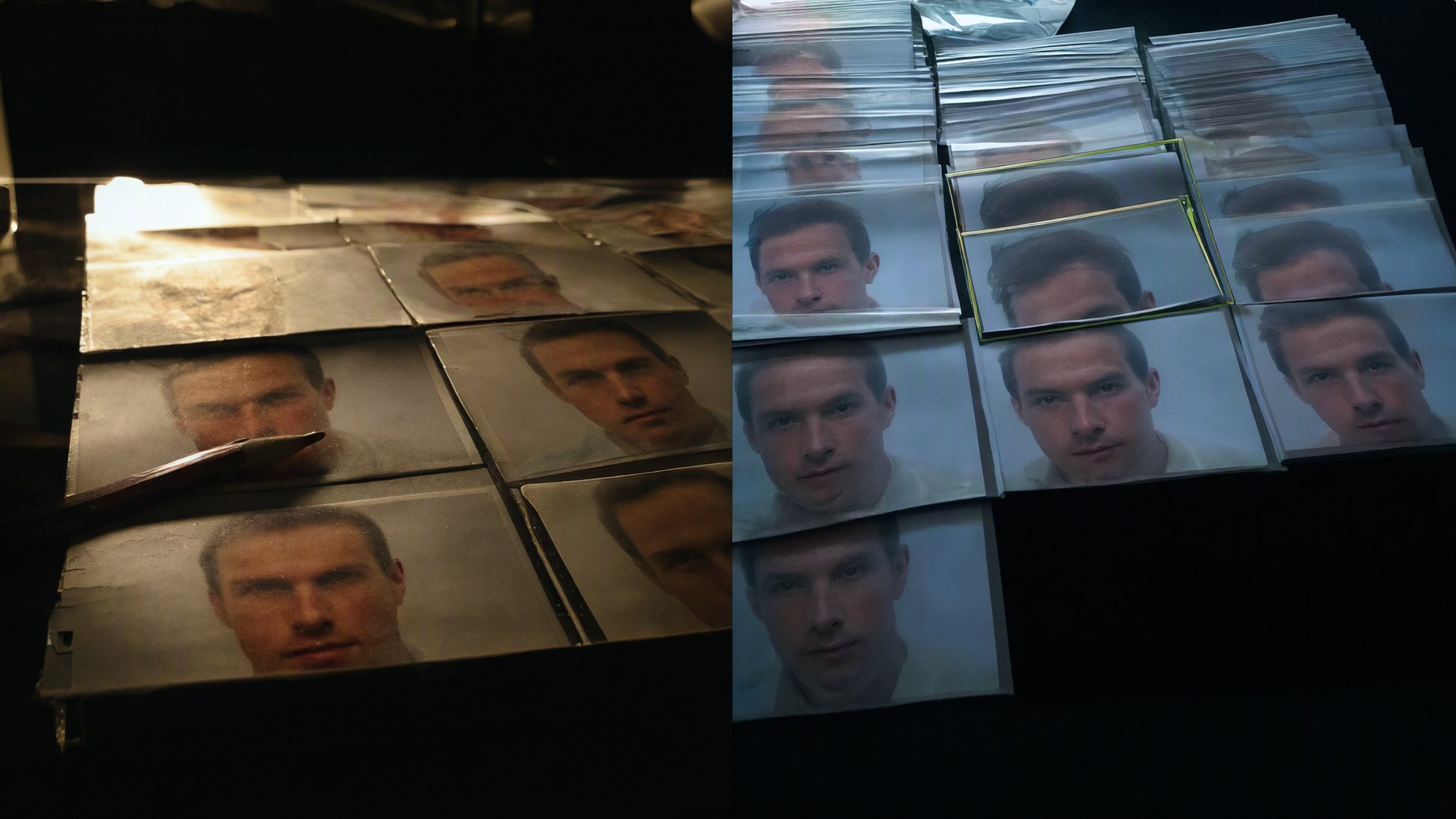
The practical shift is this: the first version of a picture is now cheap. The fiftieth version is also cheap. What used to be a day's work of variants is a few minutes of sampling. That sounds like freedom. It is also a new kind of noise. When everything can be tried, nothing is rejected by cost. Rejection becomes the job.
What the work is
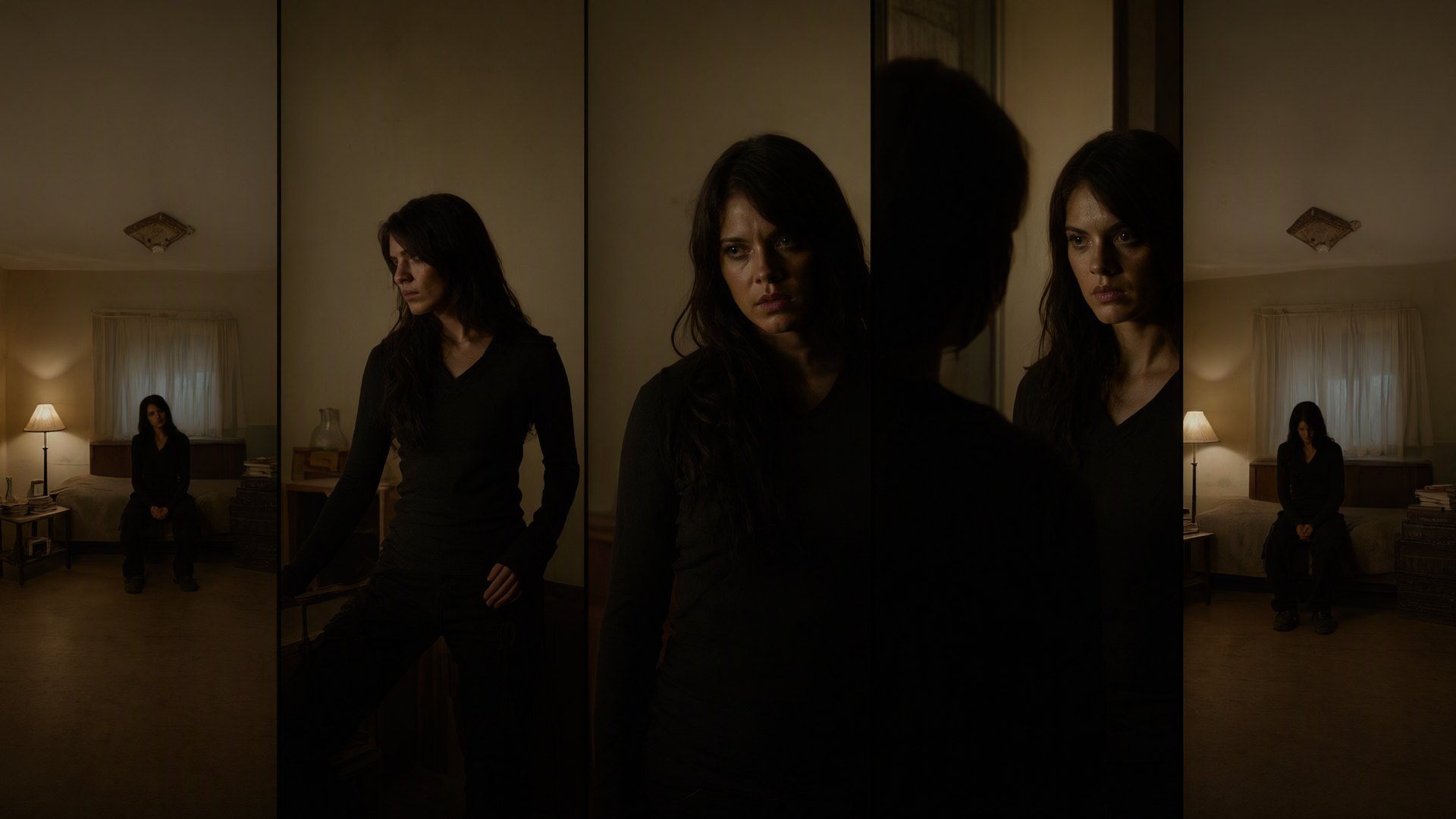
You still need a subject, a sequence, and a reason for the cut. The model does not supply those. It supplies candidates. Your hands moved from making the pixels to choosing among pixels, and then to forcing the chosen ones to agree with each other. A face that drifts. A room that changes windows between shots. A line of dialogue said by a mouth that belongs to a different person. Those failures were rare when a human drew every frame, because the human remembered. They are the normal tax of generation.
So the new craft is continuity. Reference images. A locked description of who is in the scene. A shot list short enough that each clip has one job. A person who watches the assembly and throws out the takes that almost work. The tool chain got shorter for a single maker, and longer for the judgment. One person can now cross writing, picture, and edit on a Tuesday. That person is also the only one who notices that the third shot contradicts the first.
Authorship got harder to point at. A frame might be your brief, a model's prior, a reference you did not shoot, and an edit you did. "I made this" now needs a sentence about which part. Clients ask for speed. They also ask, a week later, why it looks like everything else. The average of a model is a style. Leaving that average is the part that still takes a point of view.
What did not get easier
Sound that belongs to the picture. A performance that lasts longer than a clip. Type that is actually set, not approximated. Legal use of a face, a voice, a living illustrator's manner. None of these were solved by making the first draft faster. They moved into the open, because the draft arrives before anyone has decided them.
The old chain of specialists was slow, and it hid weak ideas. The new chain is fast, and it hides nothing. A bad concept is on screen in the time it used to take to open the project file. That is the useful part, if you are willing to kill it. If you are not, you publish the average.
The difference, stated plainly
Before 2019, the scarce thing was execution. Can we make this frame, this move, this title, with the people and the days we have? In 2026 the scarce thing is direction. What is this, why this shot and not the next sample, and does the piece still sound like one maker when the models have had their turn?
The tools changed. The standard did not. Beauty still comes from simple things: one idea, held still long enough to survive a cheap infinite draft.